
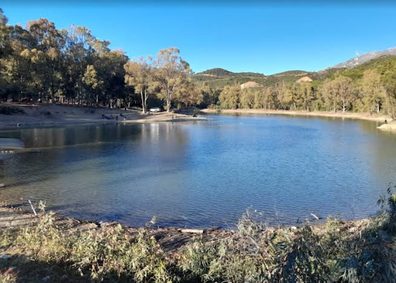

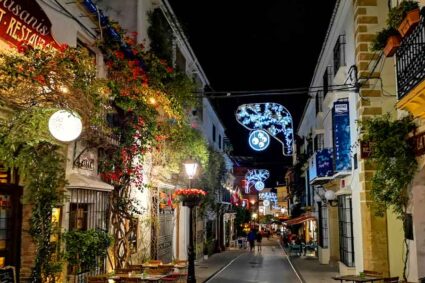
Discover the quieter soul of Marbella, where mountain villages, ancient springs, Mediterranean landscapes and centuries-old traditions reveal a side of the Costa del Sol that many visitors never get to experience.
There is a particular moment in Marbella when you realise that the Mediterranean is not telling you the whole story.
Perhaps it happens when you look inland from the Golden Mile and notice the impressive silhouette of La Concha rising behind the town. Perhaps it is during a drive towards Istán, when the familiar coastal landscape gradually gives way to winding mountain roads, pine forests and whitewashed villages. Or perhaps it is simply when you find yourself sitting in a quiet village square, listening to the sound of water flowing from an old fountain, with absolutely no reason to hurry.
Whatever the moment, the feeling is the same: Marbella has another personality.
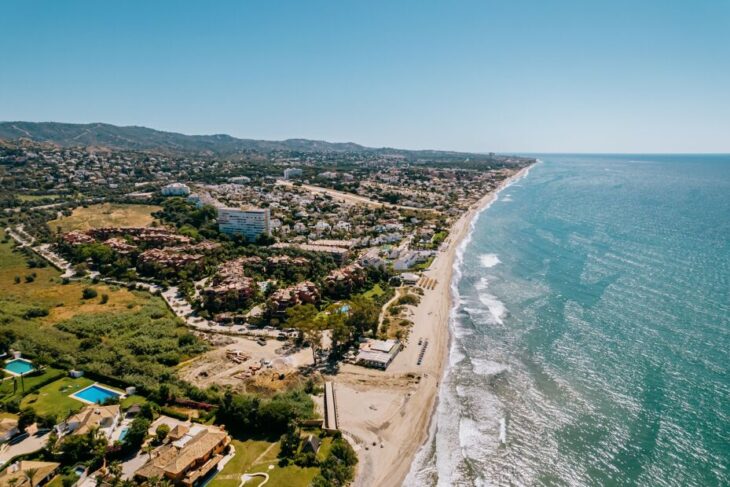
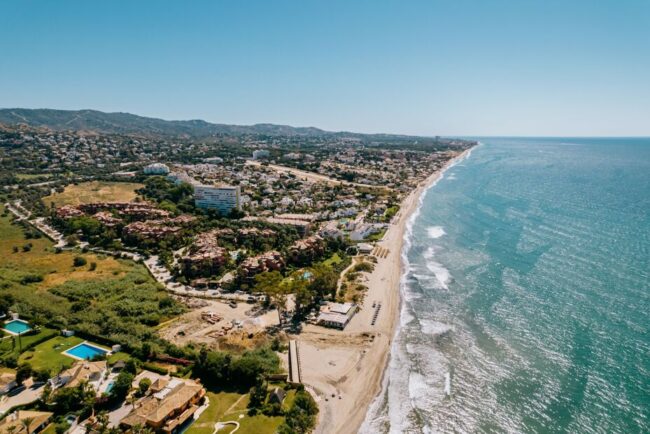
We all know the international image. Luxury villas, beautiful beach clubs, spectacular yachts, designer boutiques and long summer evenings. These are undoubtedly part of what makes Marbella such a fascinating destination. But there is another story waiting just beyond the coastline, one that is considerably older, quieter and, in many ways, more revealing.
It is the story of water, mountains, traditional villages and the relationship between people and the extraordinary landscape of southern Spain.
And it deserves to be discovered.
1. The Mountains That Give Marbella Its Character
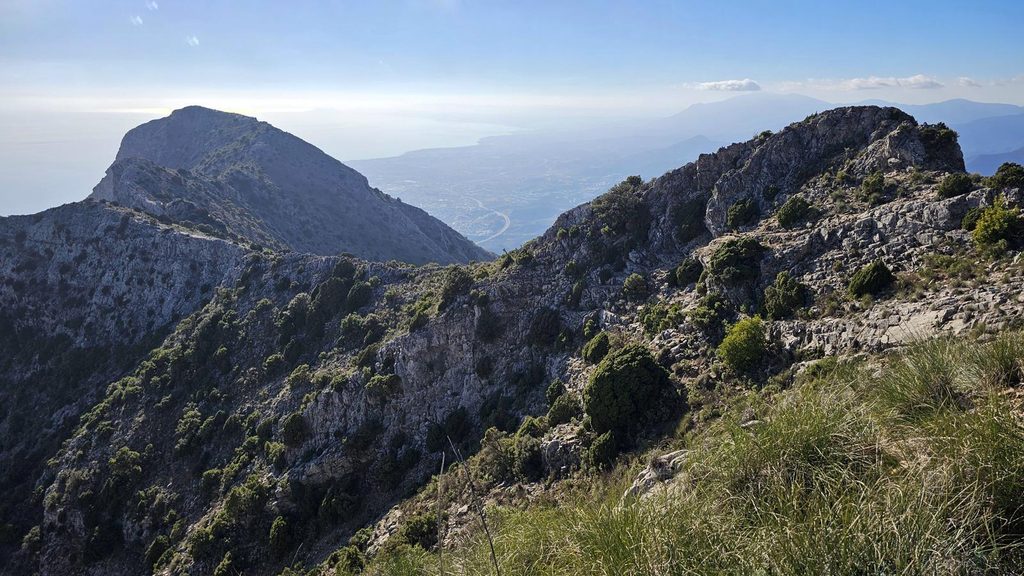
Look beyond the coastline and one of the first things you notice is the mountain range that seems to protect Marbella.
Sierra Blanca is not simply a beautiful backdrop for photographs. It is an essential part of the local landscape and identity. Its distinctive pale limestone peaks create a dramatic contrast with the deep blue Mediterranean, particularly during the early morning when the sunlight gradually reaches the mountain slopes.
The most recognisable summit is La Concha, rising to approximately 1,215 metres. Its characteristic shape has become one of the defining natural landmarks of Marbella.
What makes this landscape particularly interesting is the contrast between the coast and the mountains. Within a relatively short distance, you can move from the atmosphere of a Mediterranean resort into a completely different natural environment.
The air feels different. The temperature can change. The sounds of traffic and beach life gradually disappear, replaced by birdsong, wind moving through pine trees and the occasional distant sound of a village.
For visitors who associate Marbella exclusively with the sea, this can be a surprisingly rewarding experience.
The municipality of Marbella has an established network of mountain walking routes, including trails connecting Marbella with Istán and Ojén, as well as routes towards Juanar and La Concha.
These are not all casual strolls. Some involve considerable elevation changes and require proper preparation, suitable footwear and sufficient water.
But you do not necessarily need to climb a mountain to appreciate Sierra Blanca. Even a scenic drive towards the surrounding villages provides an entirely different perspective on the destination.
And perhaps that is the point: Marbella is at its most interesting when you allow yourself to look beyond the obvious.
2. Istán: The Village Where Water Becomes Part of Everyday Life
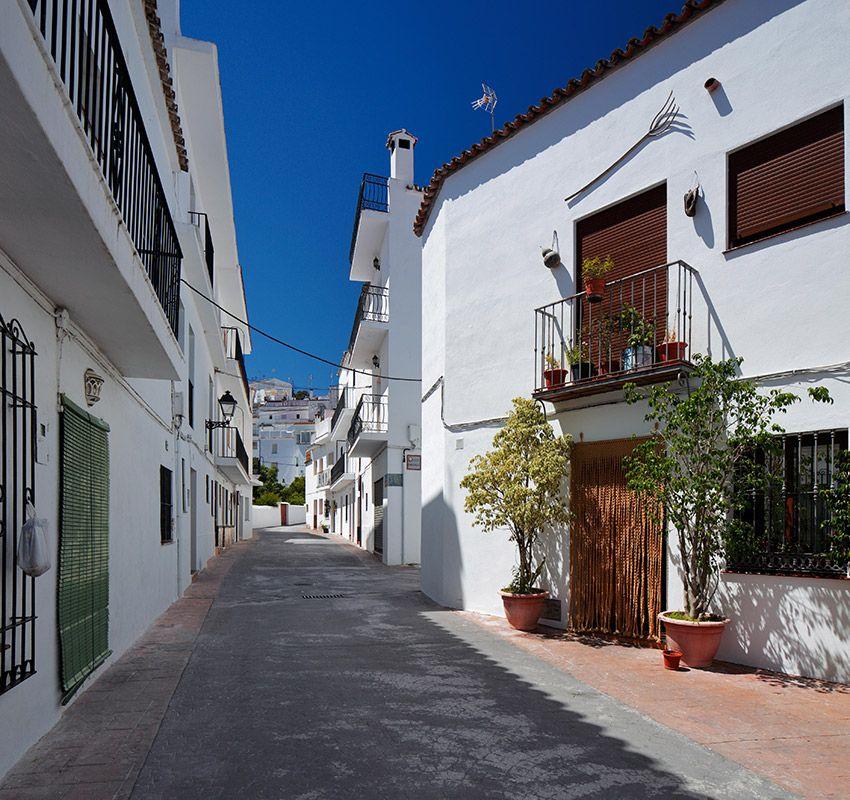
If there is one place that perfectly illustrates the relationship between the mountains and traditional Andalusian life, it is Istán.
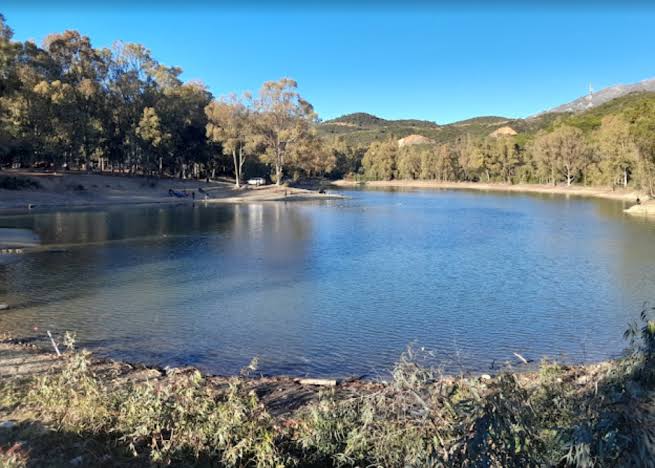
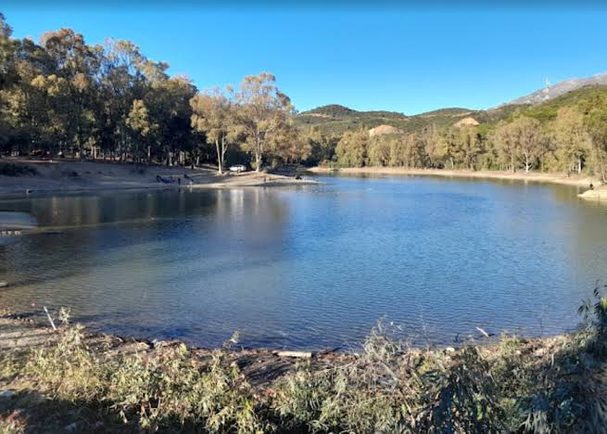
Located inland from Marbella, this beautiful white village sits within a landscape of mountains, vegetation and water. It is often associated with its natural springs, which have played an important role in the village’s identity for generations.
Arriving in Istán feels like entering a different rhythm of life.
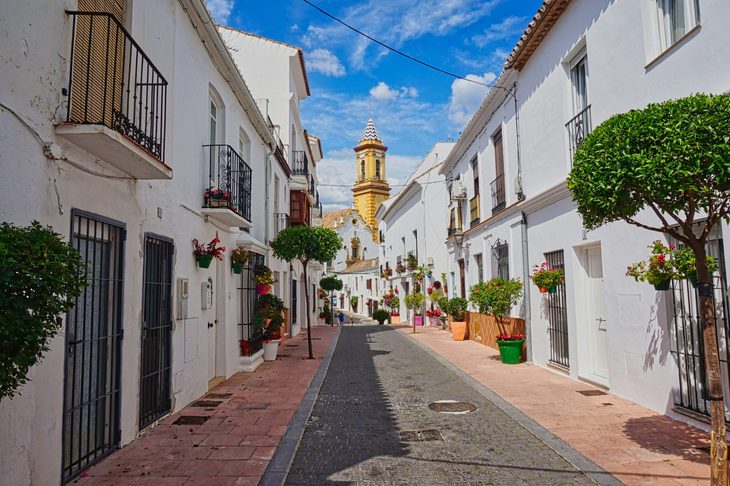
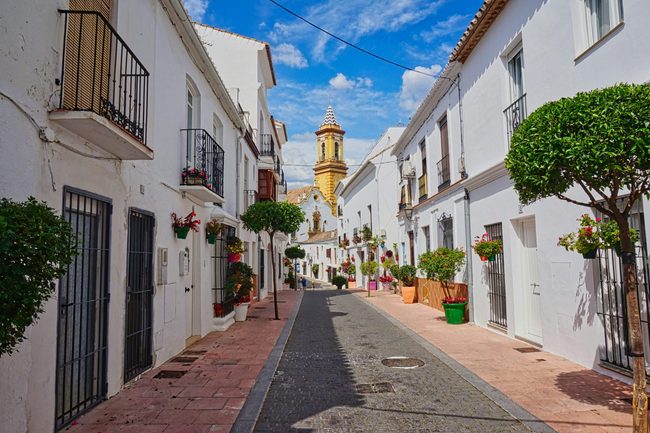
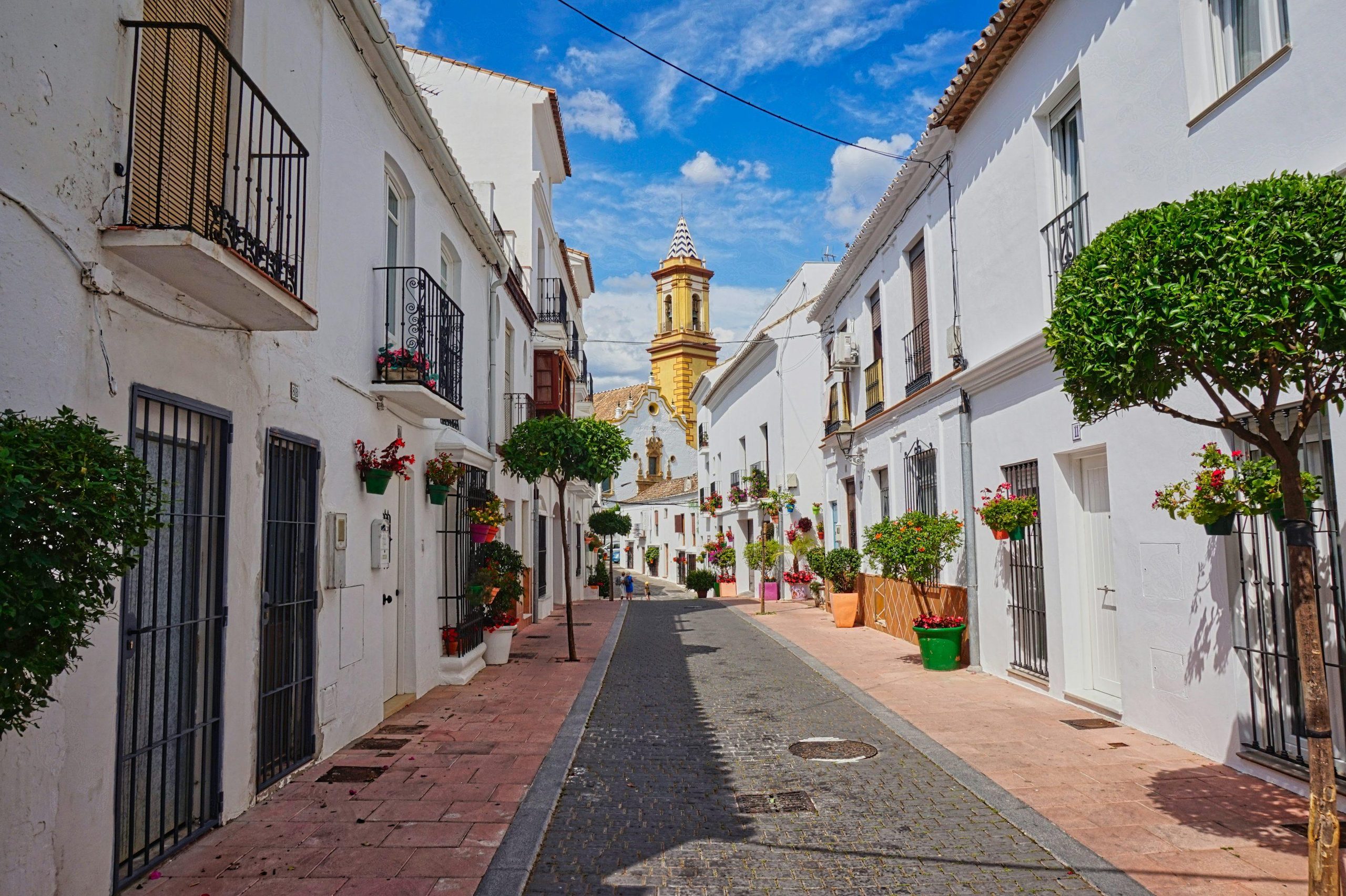
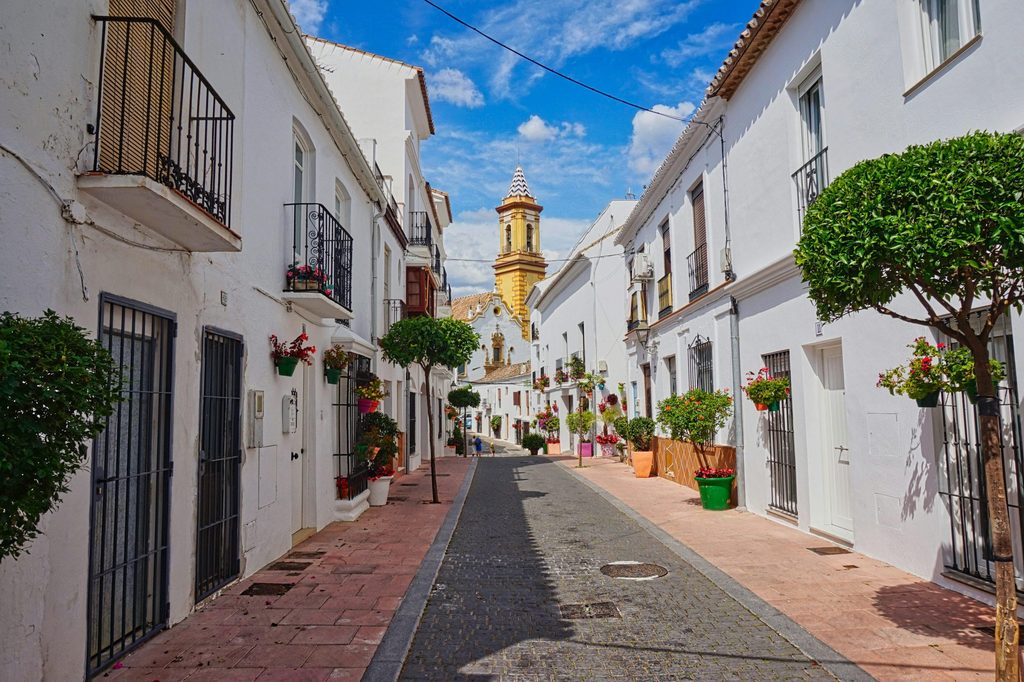
The streets are narrow, the houses traditionally whitewashed and the atmosphere considerably more relaxed than along the coast. Flowers decorate balconies, small squares provide places to stop and the architecture reflects a way of life that developed long before international tourism transformed the Costa del Sol.
One of the most interesting things about Istán is its connection with water.
In much of Mediterranean history, water was never something to take for granted. Communities developed around springs, streams and carefully managed irrigation systems. Water supported agriculture, gardens, livestock and everyday domestic life.
The legacy of these traditions remains visible in many Andalusian villages.
In Istán, you can appreciate this relationship through its fountains, water features and surrounding landscape. The presence of water gives the village a particular atmosphere, especially when compared with the drier mountain environments elsewhere in the region.
Take your time walking through the village. Look at the traditional architecture, stop in a local establishment and allow yourself to enjoy the surroundings without trying to turn the experience into a checklist of attractions.
This is not a place that needs to impress you with grand gestures.
Its appeal lies in its authenticity.
For anyone spending several days in Marbella, an excursion to Istán offers a wonderful opportunity to discover a more traditional side of the Costa del Sol.
3. Ojén: A Different Perspective on the Costa del Sol
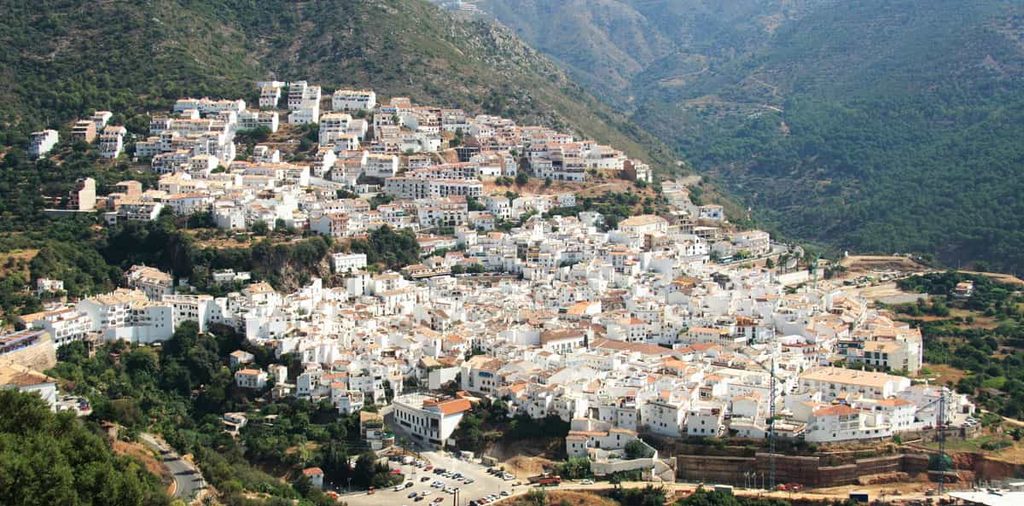
Another village worth discovering is Ojén.
Situated in the mountains just north of Marbella, Ojén offers a charming combination of traditional Andalusian architecture, rural heritage and spectacular surroundings.
The journey itself is part of the experience. As you leave the coastal area, the landscape begins to change, with mountain roads leading towards the village and views opening across the surrounding countryside.
Ojén has a character that feels distinctly different from Marbella.
Its narrow streets, whitewashed houses and traditional squares create an atmosphere that is easy to appreciate without any particular itinerary.
It is the kind of place where a simple walk can become the highlight of the day.
Look out for the traditional details: small doorways, balconies decorated with plants, old stone features and the architectural elements that tell the story of everyday life in an Andalusian mountain community.
Ojén also has a strong relationship with its rural surroundings. Its landscape is particularly rich in vegetation and ecological interest, making it an attractive destination for those who enjoy exploring beyond the developed coastline.
There is something refreshing about discovering places where the pace of life is still closely connected to the seasons, the landscape and the traditions of the region.
And while Marbella is famous for its international atmosphere, Ojén reminds us that the Costa del Sol is also home to communities with deep local roots.
My advice? Do not rush your visit. Find a pleasant terrace, enjoy a coffee and spend a little time observing village life.
Sometimes the best travel experiences are the ones you never planned.
4. The Hidden Heritage of Andalusian Water Systems
There is a fascinating historical story running through the landscapes around Marbella, and it is one that deserves more attention: the traditional management of water.
Long before modern infrastructure, Andalusian communities developed sophisticated ways of collecting, distributing and conserving water.
The influence of the Islamic period in southern Spain is particularly visible in the region’s agricultural heritage. Traditional irrigation channels, known as acequias, helped distribute water across cultivated land, supporting orchards, terraces and gardens.
These systems were adapted to the geography of each area. Natural slopes, gravity and local knowledge were essential to ensuring that water reached the places where it was needed.
Water management was not merely an agricultural technique. It shaped settlements, influenced local economies and became part of the cultural identity of many communities.
The remains and traditions associated with these systems help explain why villages such as Istán and Ojén developed where they did.
They also provide a fascinating way to understand the wider landscape around Marbella.
Imagine looking at a mountain village today and considering how generations of residents depended on the surrounding springs, streams and cultivated terraces.
Suddenly, the landscape becomes much more than a beautiful view.
It becomes a record of human ingenuity.
This is one of the reasons why exploring inland Andalucía can be so rewarding. The region is full of details that are easy to overlook when travelling exclusively between the beach, hotel and restaurant.
5. Sierra de las Nieves: A Natural World Just Beyond Marbella
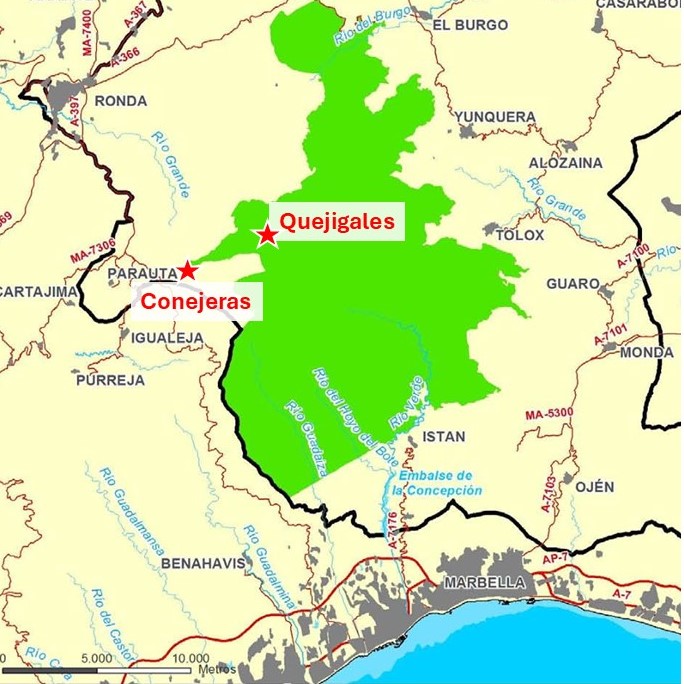
For those who want to explore further, the Sierra de las Nieves offers an exceptional introduction to the natural diversity of Málaga province.
Recognised as a UNESCO Biosphere Reserve, this extensive natural area includes mountains, forests, traditional villages and a remarkable variety of ecosystems.
One of its most distinctive natural treasures is the Spanish fir, known locally as the pinsapo.
This remarkable tree is a botanical symbol of the region and one of the reasons why the Sierra de las Nieves is so important from an environmental perspective.
The landscape is very different from the familiar Mediterranean coastline. Here, you encounter mountain forests, dramatic limestone formations, deep valleys and traditional rural environments.
The area is also associated with a long history of rural activities, including agriculture, livestock farming and the traditional use of natural resources.
For visitors staying in Marbella, the Sierra de las Nieves opens up an entirely different dimension of the Costa del Sol.
It is an opportunity to experience the province of Málaga as a place of extraordinary natural diversity rather than simply a coastal holiday destination.
The area is particularly appealing to walkers, nature enthusiasts and anyone interested in discovering the quieter landscapes of southern Spain.
However, mountain conditions should always be respected. Before setting out, check local information, route conditions and weather forecasts. Some routes require experience, appropriate equipment and a reasonable level of fitness.
The best way to enjoy these landscapes is to explore responsibly and leave them as you found them.
6. The Art of Slowing Down: Discovering a Different Kind of Luxury
There is a word that is frequently associated with Marbella: luxury.
But perhaps we should reconsider what luxury actually means.
Of course, there is nothing wrong with enjoying an exceptional hotel, a beautiful restaurant or an afternoon beside the Mediterranean. These experiences are part of Marbella’s appeal.
Yet some of the most memorable moments in this part of Spain cost very little.
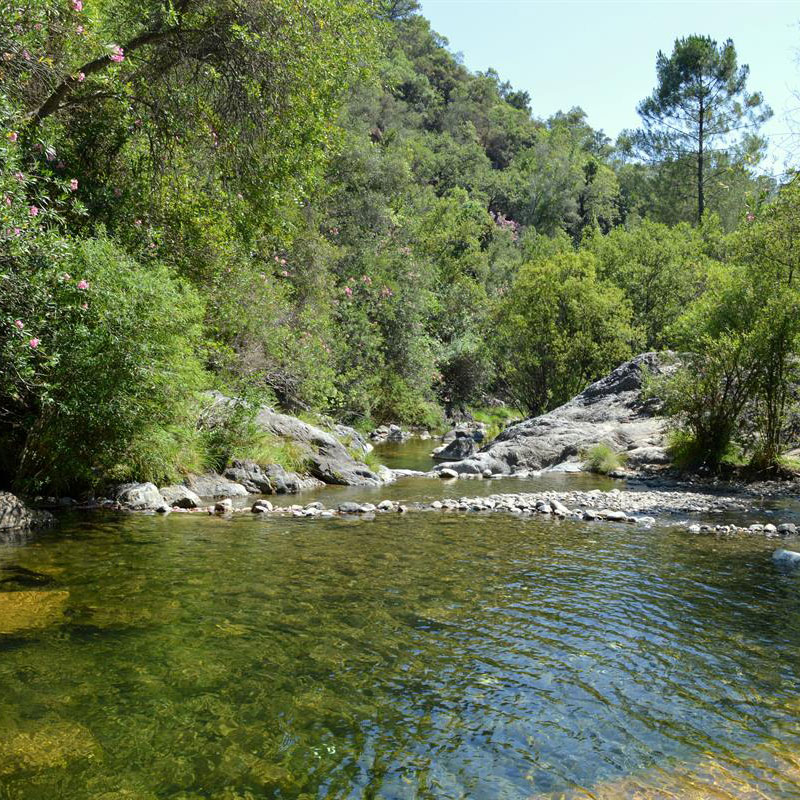
A quiet morning in a mountain village. A walk beneath ancient trees. A coffee in a traditional square. A panoramic view over the countryside. The simple pleasure of discovering a place that does not appear on every international travel itinerary.
This is another kind of luxury.
It is the luxury of time, space and authenticity.
Modern travel can sometimes become an exercise in collecting experiences. We visit famous places, photograph them, move on and repeat the process somewhere else.
But the landscapes surrounding Marbella encourage a different approach.
Take a morning without a strict schedule. Drive inland. Stop when something catches your attention. Explore a village street that looks particularly inviting. Find a local restaurant and ask what is traditionally prepared in the area.
These small decisions can create a much more personal connection with a destination.
And they often lead to the experiences that remain in your memory long after the holiday is over.
7. A Different Way to Explore Marbella Throughout the Year
One of the great advantages of Marbella is that its surroundings can be enjoyed throughout much of the year.
The coastal lifestyle naturally attracts visitors during the summer months, but the inland landscape offers a different appeal depending on the season.
Spring
Spring is a particularly attractive time to discover the countryside. Vegetation becomes greener, wildflowers appear and the temperatures are often more comfortable for walking and exploring mountain villages.
It is an excellent period for discovering Istán, Ojén and the surrounding landscapes.
Summer
During summer, an early start is particularly important if you plan to explore the mountains. The cooler hours of the morning are generally more comfortable for outdoor activities.
A village visit can also make a lovely alternative to spending the entire day along the coastline.
Autumn
Autumn brings a different atmosphere to the region. The intense summer heat gradually disappears, and the countryside becomes particularly inviting for scenic drives and outdoor exploration.
For visitors who prefer quieter surroundings, this can be one of the most rewarding periods to discover inland Málaga.
Winter
Winter in Marbella is one of the destination’s less appreciated attractions.
While temperatures can be considerably cooler in the mountains than on the coast, sunny days still provide opportunities for exploring the surrounding villages and enjoying the region’s natural beauty.
It is a particularly interesting season for visitors who want to experience a more relaxed side of the Costa del Sol.
8. How to Plan Your Own Inland Escape from Marbella
Exploring the mountains and villages around Marbella does not require an elaborate travel plan.
However, a little preparation will make the experience considerably more enjoyable.
Start with one destination rather than trying to visit too many places in a single day.
Istán is a wonderful choice if you are interested in traditional village life and the area’s relationship with water.
Ojén offers another perspective, with its traditional architecture and mountain atmosphere.
If you are particularly interested in nature and hiking, look into the official routes around Sierra Blanca and the wider Sierra de las Nieves area.
Transport is also worth considering.
A car offers the greatest flexibility, particularly when visiting several locations or travelling to rural areas. Mountain roads can be winding, so allow enough time and avoid rushing between destinations.
If you prefer a more relaxed experience, consider arranging private transport with a driver who knows the region. This allows you to enjoy the scenery without concentrating on the road.
For hiking, check the official route information before departure, carry sufficient water, wear appropriate footwear and avoid setting out on demanding trails without the necessary preparation.
Most importantly, leave room for spontaneity.
Some of the most beautiful discoveries happen when you take an unexpected turn or decide to spend a little longer somewhere you had originally planned to visit for only twenty minutes.
9. Why This Side of Marbella Deserves More Attention
There is a reason why so many international visitors return to Marbella year after year.
The destination offers an unusual combination of climate, lifestyle, infrastructure, natural beauty and international sophistication.
But its appeal is not limited to what happens along the coast.
The surrounding mountains, traditional villages and rural landscapes provide a deeper understanding of the region.
They reveal the history behind the scenery, the traditions behind the architecture and the relationship between local communities and their natural environment.
They also offer something increasingly valuable in modern travel: the opportunity to disconnect from the familiar rhythm of everyday life.
For some visitors, the perfect Marbella holiday will always involve beach clubs, restaurants and evenings by the sea.
For others, the discovery of a small white village or a mountain landscape will become the most memorable part of their stay.
And perhaps the best thing about Marbella is that you do not have to choose between these two worlds.
You can enjoy both.
You can spend one afternoon overlooking the Mediterranean and the next morning discovering the quiet streets of an Andalusian village.
You can experience the international energy of the Golden Mile and then escape into the mountains, where the atmosphere feels as though it belongs to another century.
That contrast is what makes this part of Andalucía so special.
Final Thoughts: Discover the Marbella That Few Visitors Truly Know
Marbella is often presented as a destination defined by glamour, sunshine and the Mediterranean lifestyle.
And rightly so.
But the real character of this corner of Andalucía is much richer than its international reputation suggests.
Beyond the beach clubs and the luxury villas lies a landscape shaped by water, mountains, traditional agriculture and centuries of history.
Istán and Ojén are reminders of a more traditional way of life. Sierra Blanca provides a spectacular natural backdrop to the coast. Sierra de las Nieves reveals the extraordinary biodiversity of the wider region.
Together, they tell a story that is rarely captured in the usual holiday photographs.
So, the next time you visit Marbella, consider taking a different road.
Leave the coastline behind for a few hours. Explore the mountain villages. Discover the fountains, the old streets and the landscapes that have shaped this remarkable region.
You may come back with fewer photographs of beach clubs and considerably more memories.
And you may discover that the most beautiful part of Marbella was never just the sea.
Discover more of the Costa del Sol with Inside Marbella – your insider guide to the places, people and experiences that make this part of Andalucía so special.