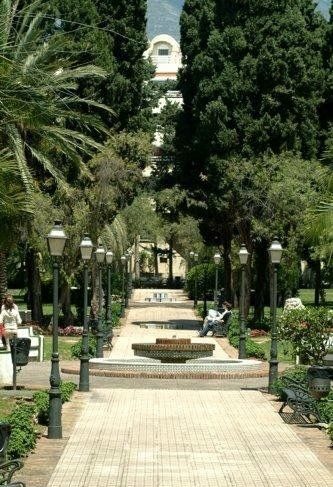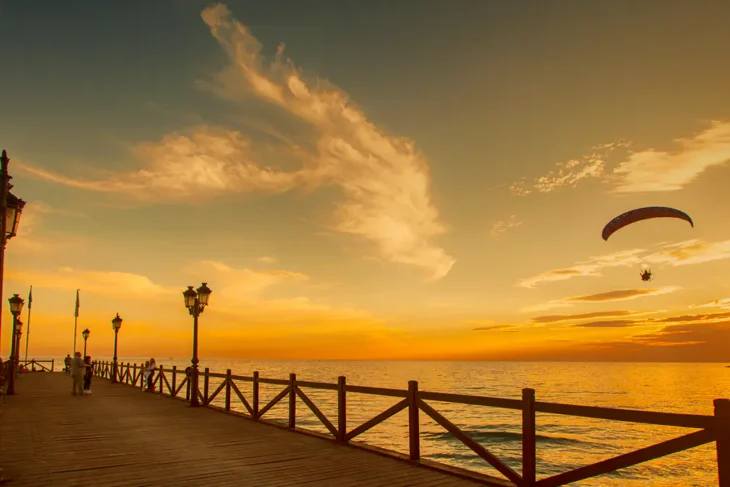
Marbella is famous for its beaches, climate and glamorous lifestyle, yet one of its most rewarding dimensions is often overlooked by short-term visitors: its architecture and art scene. From the whitewashed lanes and Renaissance plazas of the historic Old Town to free contemporary museums, boutique galleries and the bold modern residential architecture of the Golden Mile and beyond, the city offers a layered cultural experience that rewards curiosity.
This in-depth guide explores Marbella’s architectural evolution, its most important museums and galleries, current cultural initiatives, and practical advice for experiencing the city’s artistic and built heritage in 2026.
The Architectural Layers of Marbella
Marbella’s built environment reflects successive periods of history and ambition.
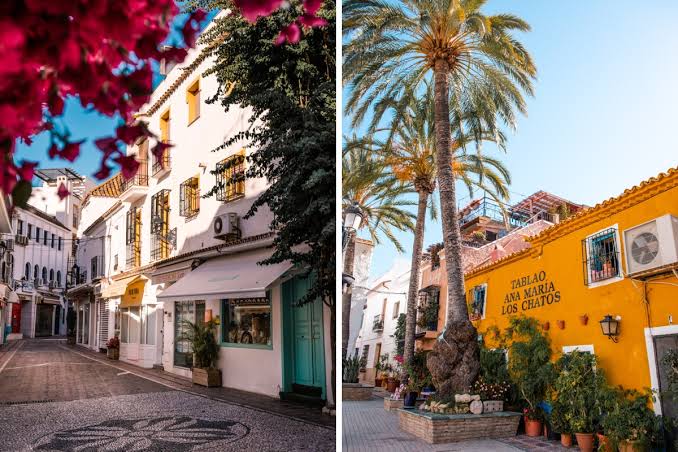
The Casco Antiguo (Old Town)
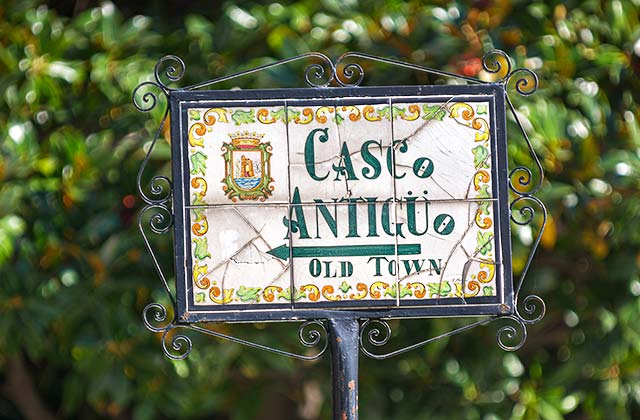
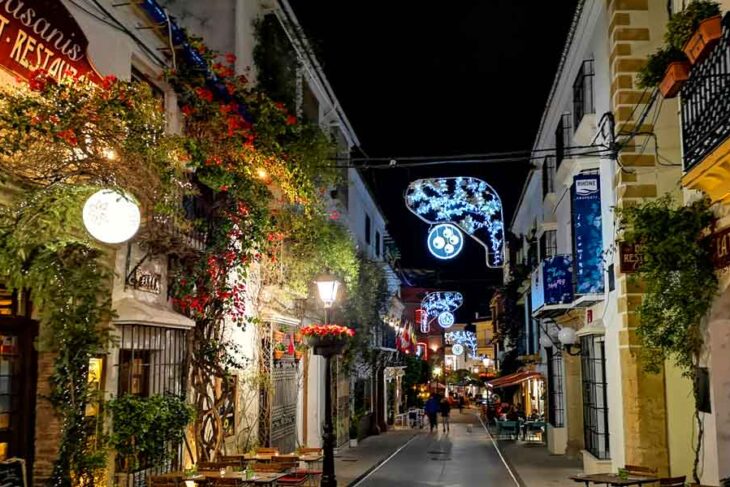
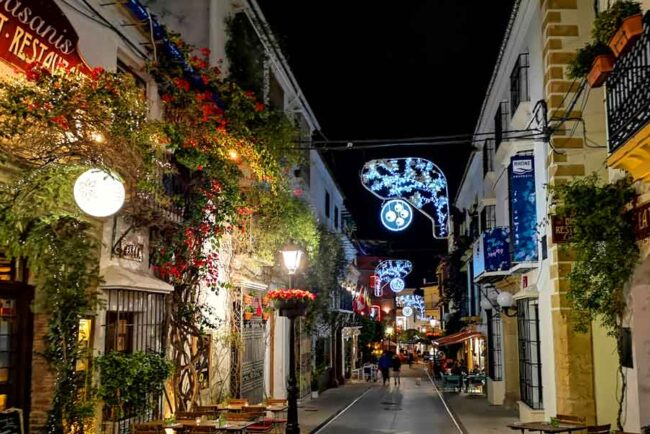
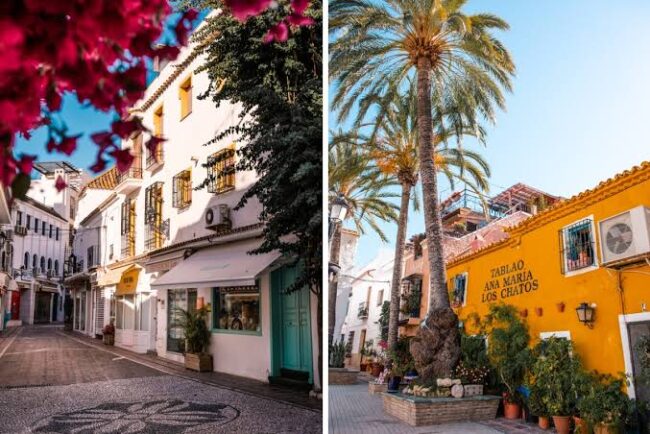
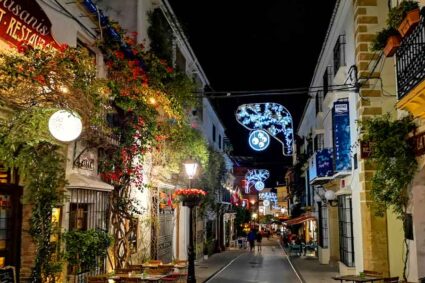
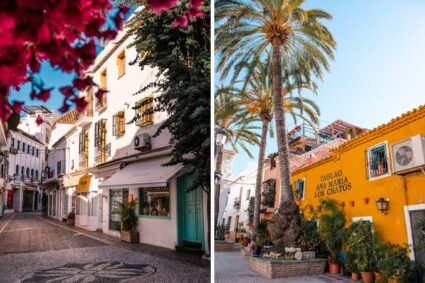
The historic centre remains the emotional and visual heart of the city. Narrow, winding streets designed for shade and defence, whitewashed buildings, flower-filled balconies, and the iconic Plaza de los Naranjos create a classic Andalusian atmosphere. Remnants of the Moorish castle walls, the Church of Nuestra Señora de la Encarnación, and traditional patio houses illustrate the city’s pre-tourism identity. Walking these streets early in the morning or in the quieter winter months reveals a Marbella that feels deeply rooted in Andalusian tradition.

Mid-20th Century Transformation
The modern Marbella story begins in the 1950s and 1960s with the vision of figures such as Prince Alfonso de Hohenlohe and the development of the Marbella Club and later Puerto Banús. This era introduced a particular brand of Mediterranean luxury architecture: low-rise, white or pastel buildings, lush gardens, and a relaxed elegance that still defines much of the Golden Mile.
Contemporary and Luxury Residential Architecture
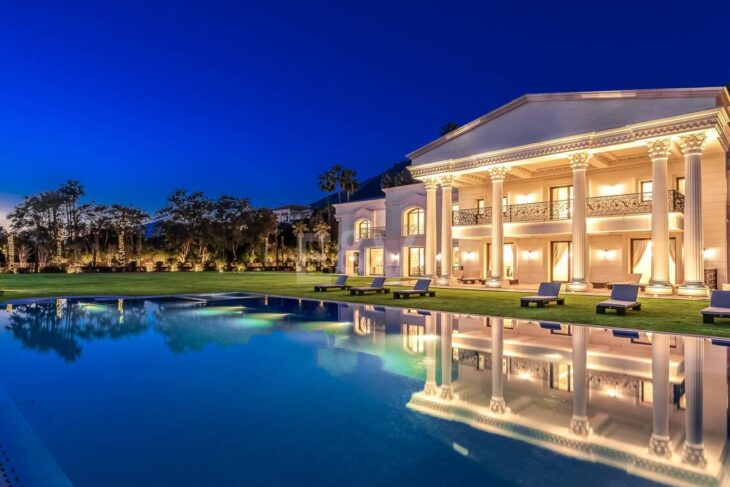
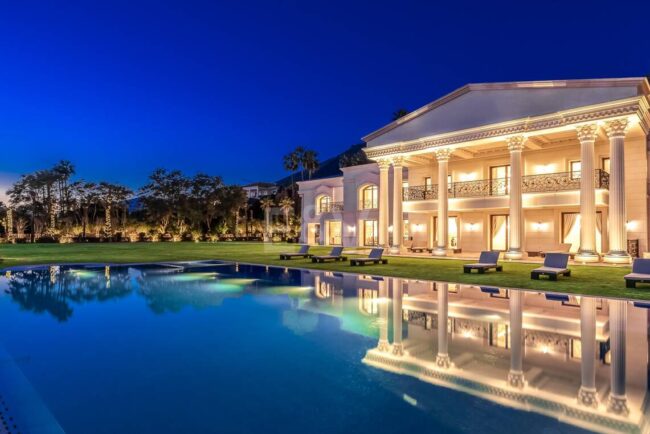
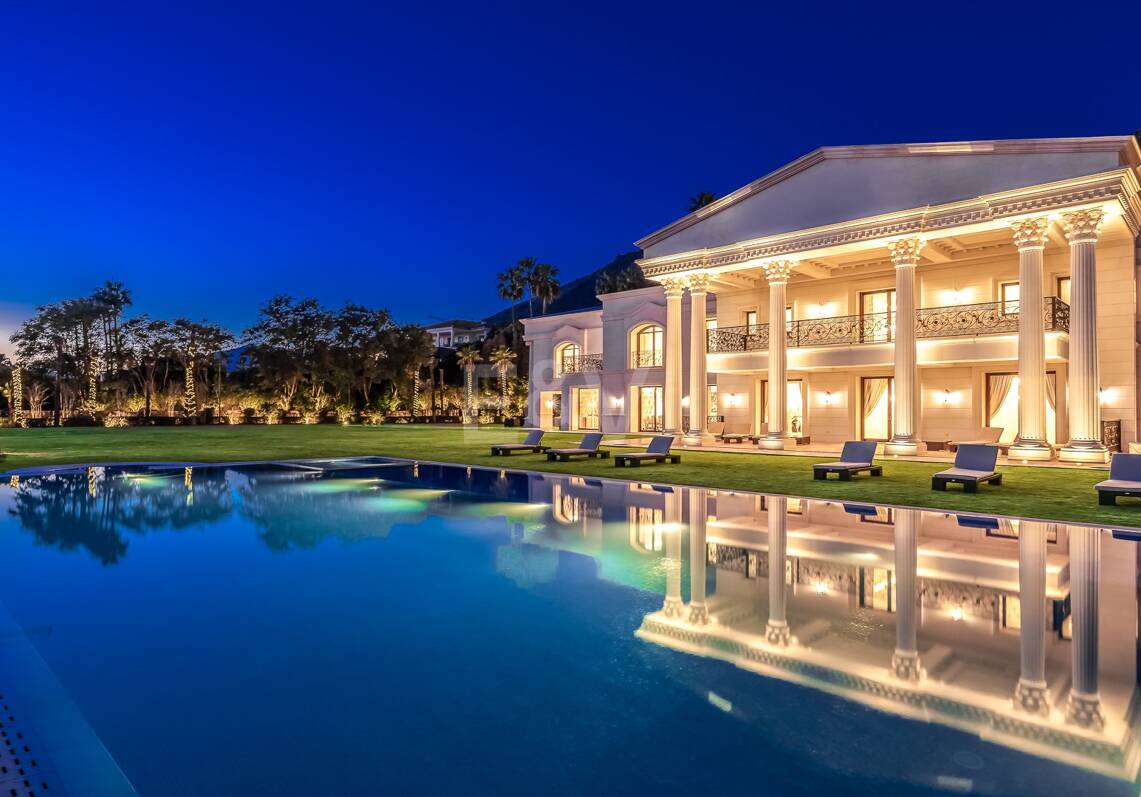
Today’s Marbella is marked by high-end villas, gated urbanisations and an increasing number of branded residences. Architectural styles range from traditional Andalusian reinterpretations to sleek contemporary designs with expansive glass, infinity pools and seamless indoor-outdoor living. New developments often emphasise sustainability, wellness features and integration with the landscape. The contrast between the intimate Old Town and the expansive modern residential zones is one of the city’s defining characteristics.

Essential Museums
Museo Ralli Marbella
One of the cultural highlights of the Costa del Sol, the Museo Ralli is dedicated primarily to contemporary Latin American art with a strong emphasis on surrealism. The permanent collection includes works connected to major names and a rich selection of Latin American artists. Temporary exhibitions and educational programmes add further depth. Entry is free, making it highly accessible. The museum’s location and calm atmosphere provide a perfect counterpoint to the more commercial parts of the city.
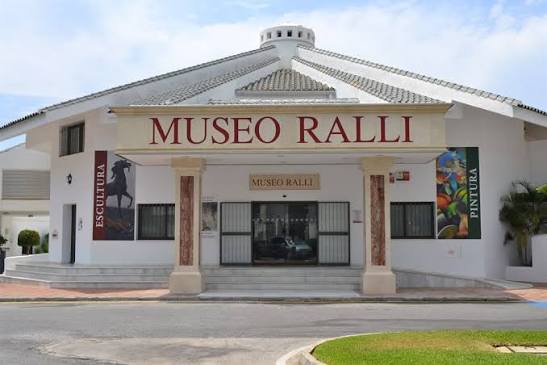
Museo del Grabado Español Contemporáneo
Housed in the historic Hospital Bazán building in the Old Town, this museum focuses on Spanish contemporary graphic art and printmaking. The collection includes works by major figures such as Picasso, Dalí, Miró and Tàpies alongside newer generations of artists. The building itself — with its courtyard and historic character — enhances the visit. Temporary exhibitions and the associated workshop programmes keep the institution active and relevant. In late 2026, exhibitions drawn from the museum’s workshop continue to showcase a range of traditional and experimental printmaking techniques.
These two museums alone demonstrate that serious art exists in Marbella beyond the tourist image.
Contemporary Galleries and the Gallery Scene
Marbella’s gallery landscape has grown more organised and visible in recent years. A group of contemporary galleries collaborates under initiatives such as MUAC (Unión de Galerías de Arte Contemporáneo de Marbella). Marbella Gallery Weekend, typically held in November, brings focused attentMuseo Ralli is dedicated primarily to contemporary Latin American artion to current exhibitions, artist talks and openings across several spaces.
Galleries to watch include those presenting painting, sculpture, photography and mixed media by both Spanish and international artists. The scene remains relatively intimate compared with Madrid or Barcelona, which many visitors and residents appreciate — it is possible to engage meaningfully with the work and sometimes with the artists or gallerists themselves.
In addition to formal galleries, public art (including outdoor sculptures) and cultural centres such as Cortijo Miraflores host temporary exhibitions and events that broaden access.
Cultural Events Linking Art and Place
Beyond permanent institutions, Marbella’s cultural calendar includes festivals and programmes that animate the architectural and artistic landscape. Events such as Voces del Sur (literature, poetry and flamenco) in November and various gallery weekends or museum workshops create opportunities to experience the city through a cultural lens. These programmes often take place in historic or architecturally interesting venues, reinforcing the connection between place and artistic expression.
Experiencing Architecture and Art Practically
- Start in the Old Town early or late in the day for the best light and fewer crowds.
- Combine a museum visit with a slow walk through the surrounding streets.
- Check current temporary exhibitions at Museo Ralli and the Grabado museum before visiting.
- Time a trip around Gallery Weekend or major cultural festivals if possible.
- Explore residential architecture from public viewpoints or during authorised open days/events where available — many of the most striking villas remain private.
- Consider the contrast: the dense, human-scale historic centre versus the more expansive, landscape-oriented modern developments.
Why Architecture and Galleries Matter in Marbella
For many long-term residents and repeat visitors, the city’s cultural and architectural dimensions provide depth and continuity beyond the seasonal tourism cycle. They offer rainy-day or cooler-weather activities, intellectual stimulation, and a sense of place that pure leisure cannot supply. As Marbella continues to attract a more permanent international population, support for cultural institutions and quality architecture becomes increasingly important to the city’s identity.
The best experiences often come from combining elements: a morning in the Old Town and Museo del Grabado, an afternoon at Museo Ralli, and an evening gallery opening or simply observing how light falls on different architectural styles at different times of day.
Marbella’s architecture tells the story of its evolution from a modest coastal town to an international destination. Its museums and galleries demonstrate that cultural ambition exists alongside commercial success. For those willing to look beyond the obvious, both offer rich rewards in 2026 and beyond.
Whether you are a short-term visitor seeking meaningful experiences or a longer-term resident looking to deepen your connection to the city, Marbella’s built and artistic heritage rewards exploration. Take the time to walk the historic streets, step into the museums, and notice the architectural details that define each neighbourhood. The city has more layers than its glamorous reputation sometimes suggests — and discovering them is one of the pleasures of spending real time here.