Best Natural Pools Near Marbella: Hidden Freshwater Swimming Spots on the Costa del Sol
Marbella is famous for its golden beaches, luxury beach clubs and sparkling Mediterranean waters. Yet just a short drive inland, a completely different world of swimming awaits. Crystal-clear river pools, emerald charcas carved into white marble, cascading waterfalls and peaceful reservoirs offer a refreshing alternative to the crowded coastline.
These natural pools near Marbella – known locally as piscinas naturales, charcas or charcos – are fed by mountain rivers that flow down from the Sierra de las Nieves, Sierra Blanca and Sierra Bermeja. Many sit less than 45 minutes from the centre of Marbella or Puerto Banús, making them ideal for a half-day or full-day escape when the coastal temperatures soar or you simply want a quieter, more natural experience.
In this complete guide you will find the best natural swimming spots around Marbella, how to reach them, what to expect on site, practical tips, and answers to the most common questions. Whether you are travelling with family, looking for adventure, or simply craving cold freshwater on a hot summer day, these locations deliver unforgettable experiences.
Why Choose Natural Pools Over the Beach in Marbella?
The beaches of the Costa del Sol are wonderful, but they can become extremely busy between June and September. Natural pools offer cooler water (often several degrees colder than the sea), shade from riverside trees, and a genuine connection with Andalusian nature. Many also provide excellent opportunities for light hiking, photography and wildlife spotting – from turtles and otters to kingfishers and dragonflies.
These spots are free to visit (with a few exceptions that may require reservations in peak season), and they reward visitors who respect the environment. Always take your rubbish home, avoid using soaps or sun cream directly in the water, and never light fires.
1. Lago de las Tortugas (Turtle Lake) – Nueva Andalucía, Marbella
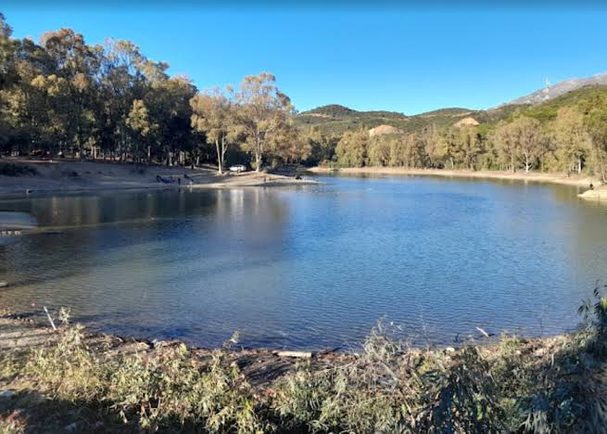
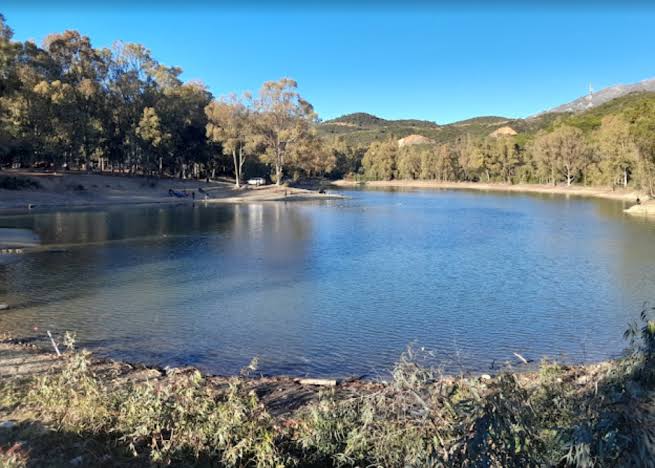
Just a few minutes north of Puerto Banús lies one of Marbella’s best-kept secrets: Lago de las Tortugas, also known as Turtle Lake. This small reservoir, originally built in the late 19th century for irrigation, has become a popular local picnic and swimming spot surrounded by woodland.
The lake is home to both native and introduced turtles, as well as a variety of water birds. Picnic tables sit under the shade of eucalyptus and pine trees, and there is a small wooden pier. Children love exploring the shoreline, and many families spend entire summer days here.
Distance from central Marbella: approximately 10–15 minutes by car.
Access: Easy. Parking is available nearby. The terrain is relatively flat.
Swimming: Possible, though at your own risk. There are no lifeguards and the bottom can be muddy in places.
Best for: Families with young children, relaxed picnics, wildlife watching.
Arrive early on summer weekends, as the picnic tables fill up quickly. Bring your own shade, food and water, as there are no facilities on site.
2. Charco de las Viñas – Ojén
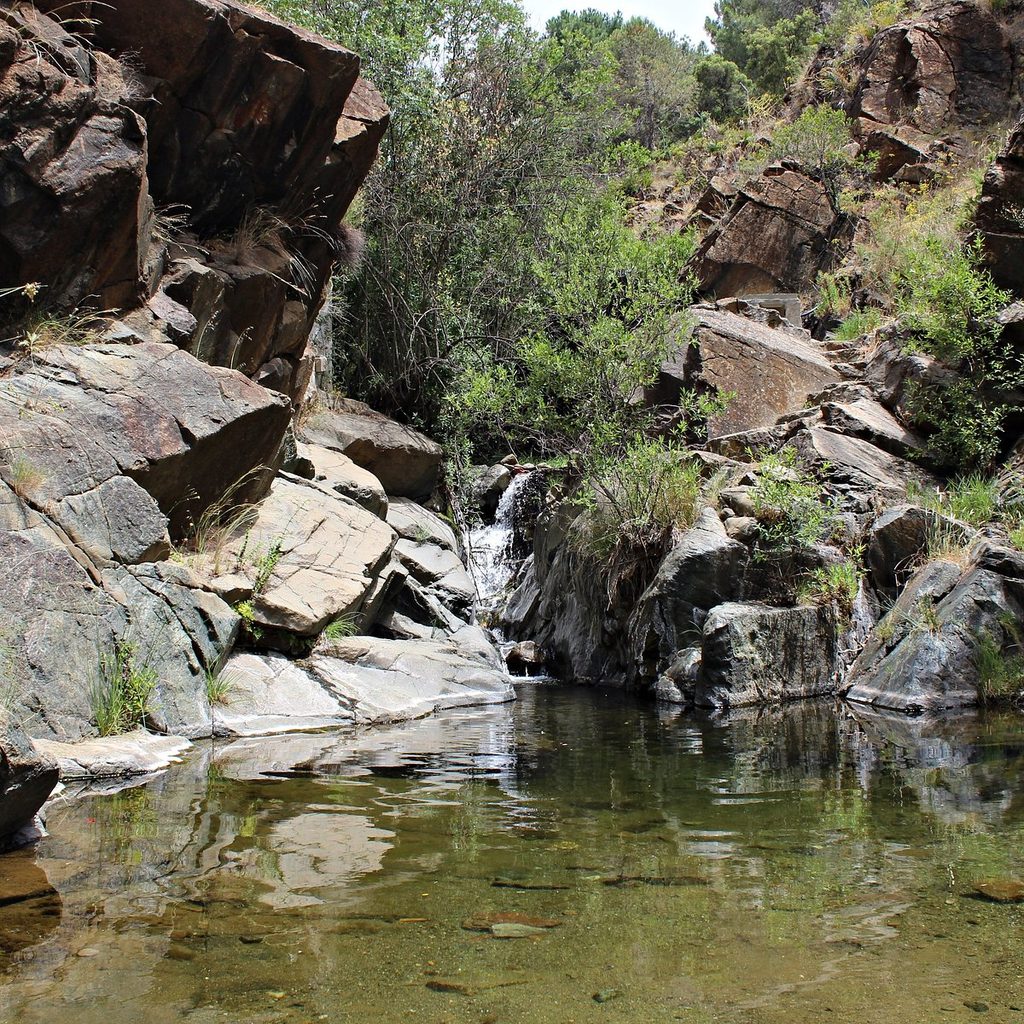
Only about 10 kilometres from Marbella sits the charming white village of Ojén. Just outside the village, near the new cemetery, you will find Charco de las Viñas – a lovely natural pool fed by a small waterfall on the Arroyo del Tejar (part of the Río Real system).
Access is straightforward: park near the cemetery and descend a short, steep flight of steps with a wooden handrail. The pool itself is relatively compact but deep enough for a proper swim, with clear water and a small sandy area that is perfect for children.
Distance from Marbella: 15–20 minutes.
Access difficulty: Easy to moderate (short but steep steps).
Best for: Quick escapes, families, those who prefer minimal walking.
The surrounding vegetation and the sound of the waterfall create a surprisingly peaceful atmosphere despite the proximity to the village. It is one of the most accessible natural pools near Marbella and an excellent introduction to the inland swimming experience.
3. Charco de las Mozas – Benahavís
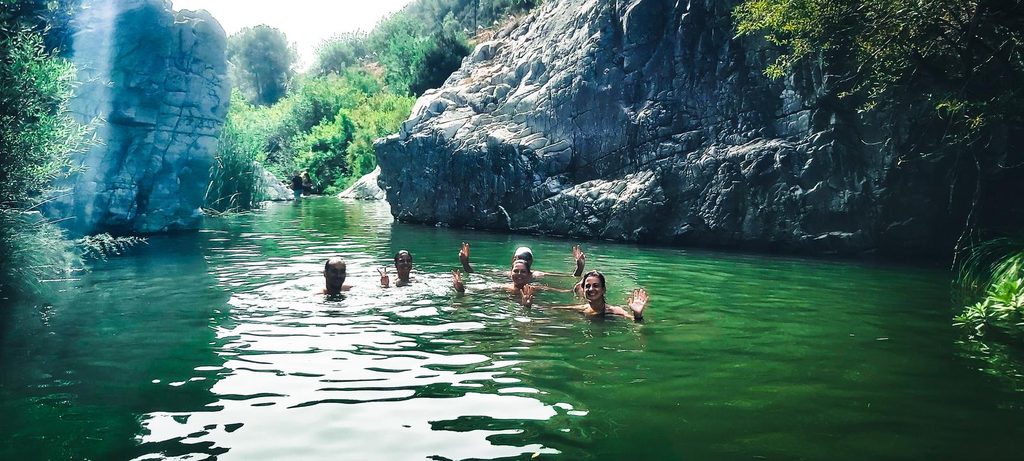
Benahavís, often called the “dining room of the Costa del Sol” for its excellent restaurants, also hides beautiful stretches of the Guadalmina River. Charco de las Mozas is the most popular of the natural pools along this stretch.
The main pool is relatively shallow in places, making it suitable for children, while deeper sections further along the river allow for proper swimming. The dramatic limestone gorge (the famous “Angosturas del Guadalmina”) begins nearby and is a popular canyoning destination.
Distance from Marbella / San Pedro: 20–30 minutes.
Access: From the A-7175 road around kilometre 6.2. The final approach involves walking over rocks, so sturdy footwear is essential.
Best for: Families, light adventure, combining swimming with a meal in Benahavís village.
The area can become busy in peak summer, especially on weekends. Early morning or late afternoon visits are more peaceful. Always check the water level – after heavy rain the current can be stronger than expected.
4. Charco del Canalón – Istán
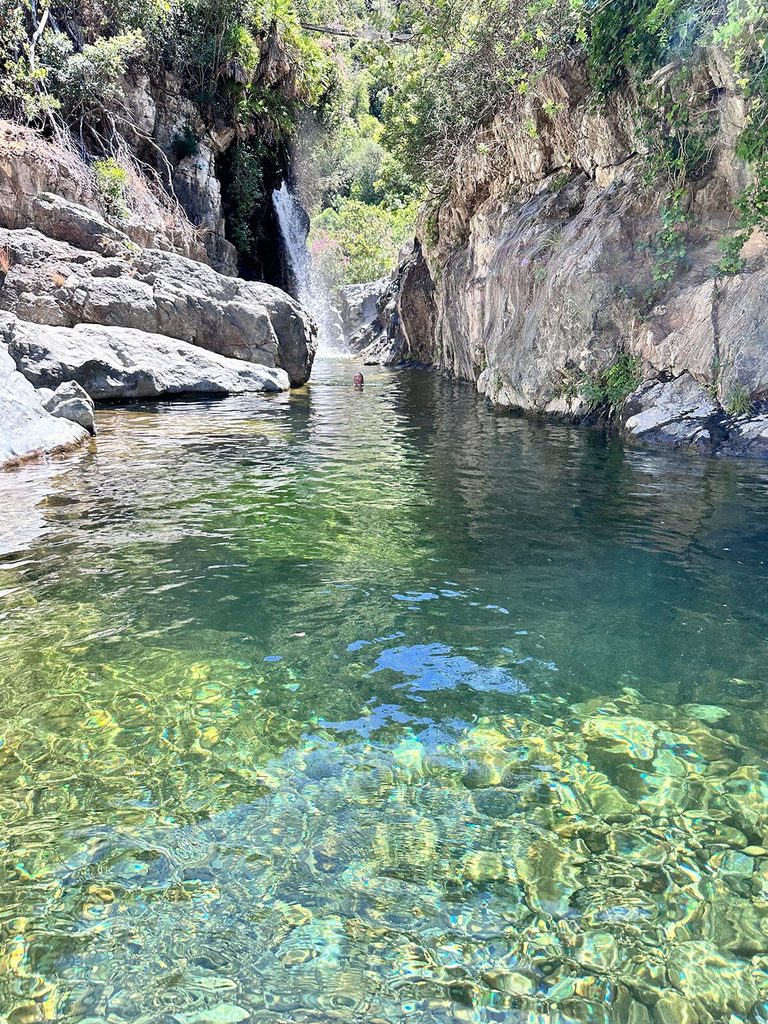
One of the most photogenic natural pools near Marbella is Charco del Canalón, located on the Río Verde in the municipality of Istán. Set between limestone walls and surrounded by Mediterranean vegetation, this elongated pool is fed by a small but constant waterfall.
The water is typically a striking emerald green and can be quite deep in the centre. The setting inside the Sierra de las Nieves National Park (also a UNESCO Biosphere Reserve) makes the experience feel remote even though it is only about 30–40 minutes from Marbella.
Distance from Marbella: 30–45 minutes.
Access: Drive past the Istán sports centre and follow the track. The final stretch is a walk of roughly 2–2.5 km along the river, with several smaller pools along the way.
Best for: Adventurous swimmers, photographers, nature lovers.
This is one of the most rewarding natural pools near Marbella, but it requires a bit more effort than the previous options. Wear water shoes, take plenty of water, and start early to avoid the midday heat on the walk.
5. Charca de las Nutrias (Otter Pool) – Estepona
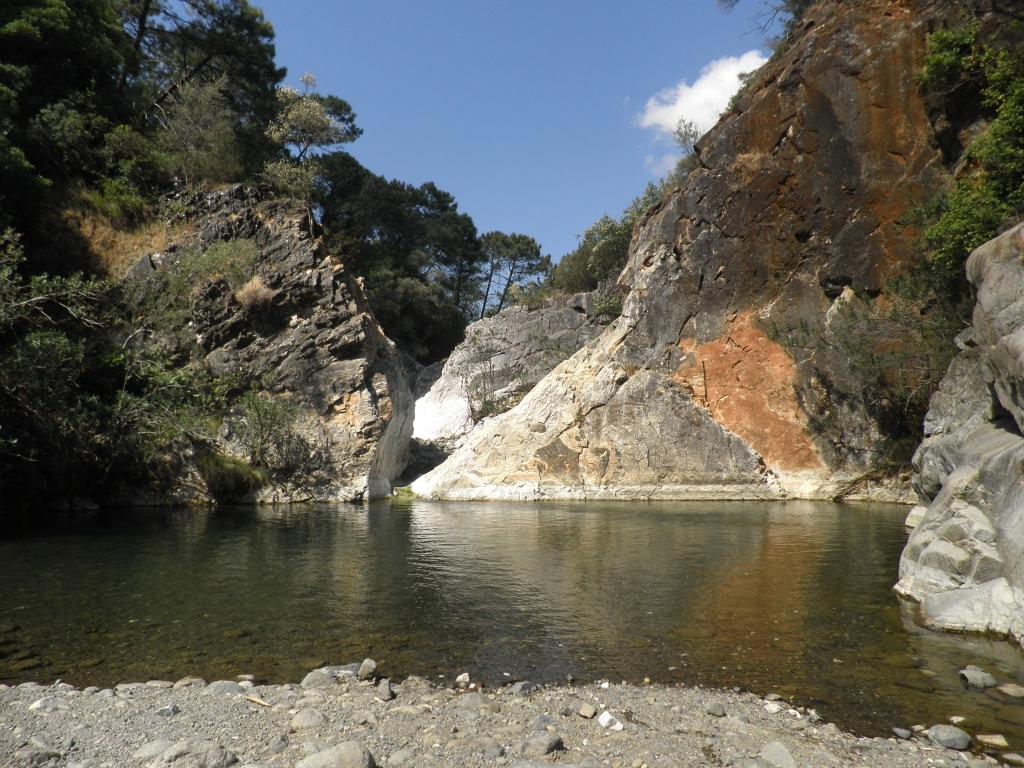
On the western side of the Costa del Sol, the Río Castor has carved a series of beautiful pools into white marble. The most famous is Charca de las Nutrias, named after the otters that still inhabit the area.
The central pool is notably deep compared with many other charcas, and the contrast between the white marble, green pines and clear water is spectacular. The surrounding Sierra Bermeja landscape adds to the sense of wildness.
Distance from Marbella: 35–45 minutes.
Access: Exit 160 on the A-7, then follow the Camino de la Alberdina for about 3.5 km to a parking area. From there, walk upstream along the riverbed, navigating rocks and boulders.
Best for: Those seeking a more secluded experience and willing to walk.
Further upstream and downstream you will find additional smaller pools. The area rewards exploration, but always prioritise safety – wet marble can be extremely slippery.
6. Other Notable Natural Swimming Spots Near Marbella
Baños Romanos de la Hedionda – Casares
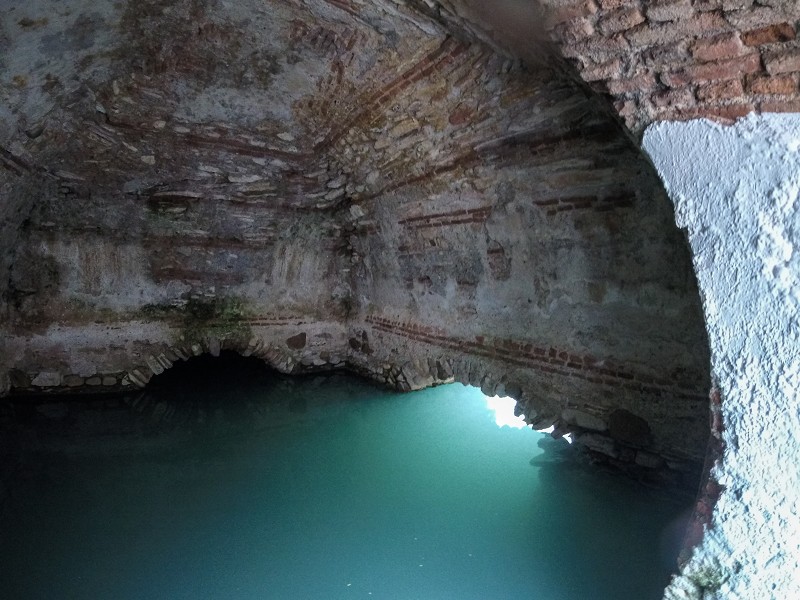
These historic sulphur baths date back to Roman times and were supposedly used by Julius Caesar. The water temperature remains a comfortable 21°C year-round. While the smell of sulphur is distinctive, many people visit for the therapeutic reputation of the waters. Nearby river stretches offer additional swimming opportunities when water levels allow.
Charca de la Extranjera – Estepona (Río Padrón)
A more recent favourite among locals, this pool on the Río Padrón features attractive rock walls and greenish water. Access is relatively straightforward and the setting feels secluded.
Barranco Blanco – Coín / Alhaurín el Grande
A series of waterfalls and pools on the Río de las Pasadas. Popular for picnics and light adventure, about 35–40 minutes from Marbella.
Charco Azul (or Charco Encantado) – Jubrique
Further inland in the Serranía de Ronda, this spectacular pool is fed by small waterfalls and surrounded by pine forest. Worth the longer drive for those seeking a more dramatic setting.
Practical Tips for Visiting Natural Pools Near Marbella
- Footwear: Water shoes or old trainers with good grip are essential. Wet rocks and marble are slippery.
- Timing: Arrive early, especially on summer weekends. Many of the best spots fill up by late morning.
- Water levels: These pools depend on rainfall. Late spring and early summer usually offer the best conditions. In very dry years some pools can shrink significantly by August.
- What to bring: Water, snacks or a picnic, sun protection, a dry bag for phones, and a rubbish bag. There are rarely toilets or bins.
- Safety: There are no lifeguards. Never jump into water of unknown depth. Supervise children closely. Currents can strengthen after rain.
- Respect the environment: Take all rubbish home. Do not use soap, shampoo or chemical sun cream in the water. Stay on established paths where possible.
- Mobile signal: Coverage can be poor in the more remote locations. Download offline maps in advance.
Best Time of Year to Visit
The natural pools around Marbella can be enjoyed from late spring through early autumn. May, June and September often provide the ideal balance of good water levels, pleasant temperatures and fewer crowds. July and August are the hottest months and the busiest. Winter visits are possible at some locations, but the water will be very cold and some access tracks may be affected by rain.
How These Natural Pools Compare to Beach Swimming
Beach swimming in Marbella offers warm water, facilities and social atmosphere. Natural pools deliver colder, fresher water, shade, privacy and a stronger connection to nature. Many visitors combine both experiences during a stay – beach days mixed with inland freshwater escapes. The natural pools are particularly appealing for those who find the summer sea temperature too warm or who simply want a change of scenery.
For more information on protected natural areas in the region, you can consult the official website of the Andalusian Ministry of Environment and the tourism resources of the Diputación de Málaga.
Frequently Asked Questions About Natural Pools Near Marbella
Are the natural pools near Marbella free to visit?
Yes, the vast majority are completely free. A few managed sites (such as certain sections near Baños de la Hedionda in peak season) may require advance booking or have limited capacity, but the classic river pools listed in this guide do not charge entry.
Can you swim in Lago de las Tortugas?
Yes, many people do swim there, especially local families. However, it is not an official supervised bathing area. There are no lifeguards and the bottom can be uneven or muddy. Swim at your own risk.
Which natural pool near Marbella is best for children?
Charco de las Viñas in Ojén and the shallower sections of Charco de las Mozas in Benahavís are generally the most family-friendly. Lago de las Tortugas is also popular with families because of the picnic facilities and relatively easy access.
How cold is the water in these natural pools?
Noticeably colder than the Mediterranean Sea in summer – often between 16°C and 22°C depending on the altitude, season and recent rainfall. The cold is part of the appeal on very hot days.
Do I need special equipment?
Sturdy water shoes are the most important item. A dry bag, sun protection, and enough drinking water are also highly recommended. For longer walks (such as to Charco del Canalón or Charca de las Nutrias), treat it like a short hike.
Are these places safe?
They are natural environments, so normal outdoor safety rules apply. Watch for slippery rocks, changing water levels and currents after rain. Never dive into unknown water. Mobile phone coverage can be limited, so let someone know your plans if you are visiting more remote spots.
Can I visit these natural pools in winter?
Some locations remain accessible, but the water will be very cold and some dirt tracks can become difficult after heavy rain. The experience is more about walking and scenery than swimming in the colder months.
What is the closest natural pool to Marbella centre?
Lago de las Tortugas in Nueva Andalucía and Charco de las Viñas in Ojén are the closest options, both reachable in under 20 minutes under normal traffic conditions.
Final Thoughts: Discover a Different Side of Marbella
The natural pools near Marbella reveal a quieter, greener side of the Costa del Sol that many visitors never experience. Whether you choose a short trip to Turtle Lake or Ojén, a family day at Charco de las Mozas, or a more adventurous outing to Charco del Canalón or Charca de las Nutrias, these freshwater escapes offer a perfect complement to beach life.
Respect the places you visit, leave no trace, and you will help ensure that these beautiful natural swimming spots remain special for years to come. Pack your water shoes, fill a bottle, and head inland – the best natural pools near Marbella are waiting.