



Marbella’s Hidden Gems: The Insider’s Guide to 10 Secret Spots Locals Don’t Want You to Know (But Will Love)
Marbella. Just saying the name conjures images of golden beaches, luxury yachts in Puerto Banús, and champagne sunsets along the Golden Mile. And yes, those experiences are spectacular. But what if I told you the real Marbella—the one locals cherish—lies just beyond the postcard-perfect facade?
After years of exploring every cobblestone alley, coastal path, and hidden courtyard in this Andalusian gem, I’ve curated the ultimate insider’s guide to Marbella’s most captivating secret spots. These aren’t the places you’ll find on every TripAdvisor list or Instagram feed. These are the experiences that make Marbella feel like your Marbella.
Whether you’re a first-time visitor seeking authenticity or a returning guest ready to dig deeper, this guide reveals the hidden heart of the Costa del Sol. Let’s go off-script.
Why Seek Marbella’s Hidden Side?
Marbella ranks among Europe’s top trending destinations for 2026, with searches for “Spain travel” and “Costa del Sol holidays” surging
www.instagram.com. Yet many visitors only scratch the surface. The magic of Marbella isn’t just in its glamour—it’s in the quiet moments: a secluded cove at sunrise, a family-run taverna tucked down a flower-lined lane, or an ancient ruin whispering stories of Roman times.
By exploring beyond the obvious, you’ll discover:
- Authentic local culture untouched by mass tourism
- Stunning photography opportunities without the crowds
- Unique stories to share that no other traveller has
- Deeper connection to Andalusia’s soul
Ready to unlock Marbella’s secrets? Here are 10 hidden gems that deserve a spot on your itinerary.
1. Mezquita del Rey Abdelaziz: Marbella’s Architectural Secret
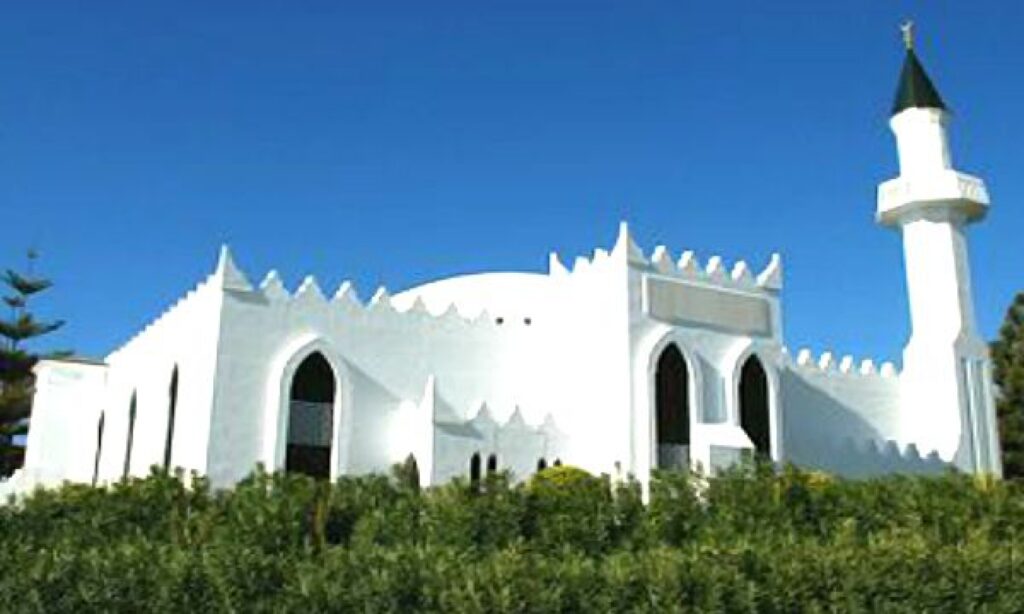
Tucked away near the city centre, the King Abdul Aziz Mosque is a masterpiece of modern Andalusian architecture that many visitors overlook
Built in 1981 and inspired by the Great Mosque of Córdoba, its horseshoe arches, intricate tilework, and serene courtyards offer a peaceful retreat from the bustling streets.
Insider Tip: Visit during non-prayer times for a quiet tour. The surrounding gardens are perfect for contemplation, and the view of the mosque reflected in the fountain at golden hour is pure magic.
2. Dunas de Artola (Cabopino): Marbella’s Wild Beach
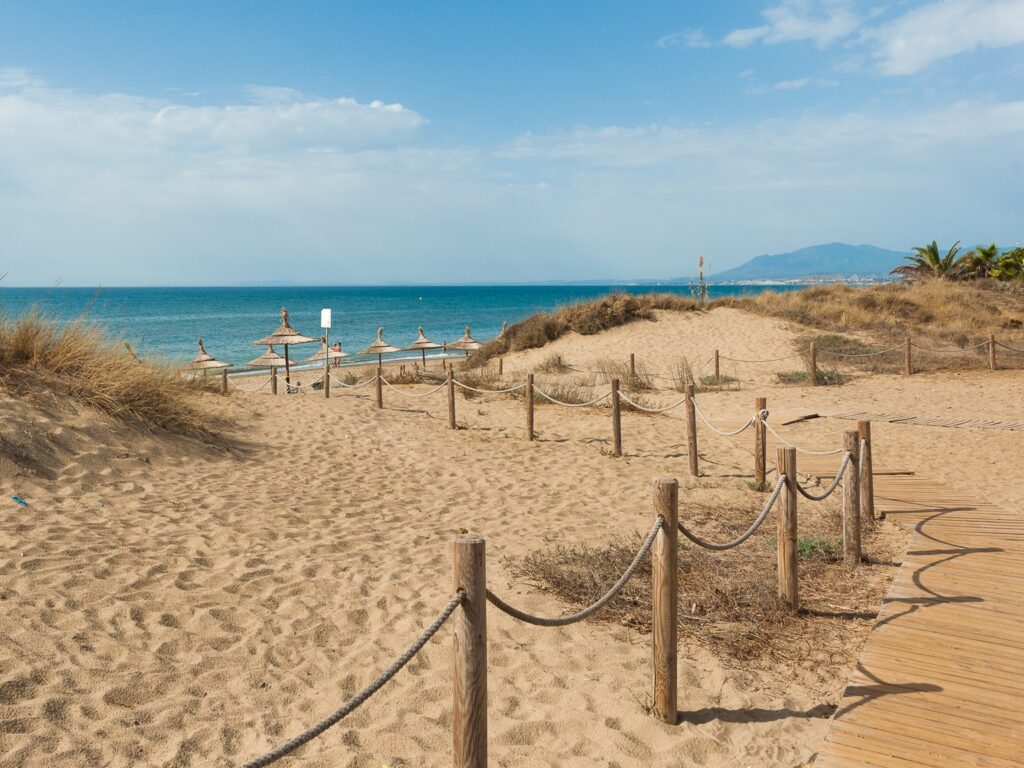
While most tourists flock to Playa de la Fontanilla, locals head east to Cabopino Beach and its protected sand dunes
This 1.5-kilometre stretch of golden sand is backed by one of Andalusia’s last remaining dune systems—a natural wonder that feels worlds away from the resort scene.
What to Do: Walk the wheelchair-friendly boardwalk through the dunes, spot native flora like sea daffodils, and watch the sunset with Gibraltar visible on the horizon. For the ultimate experience, pack a picnic and stay until the stars appear.
3. Museo Ralli: Marbella’s Free Art Treasure
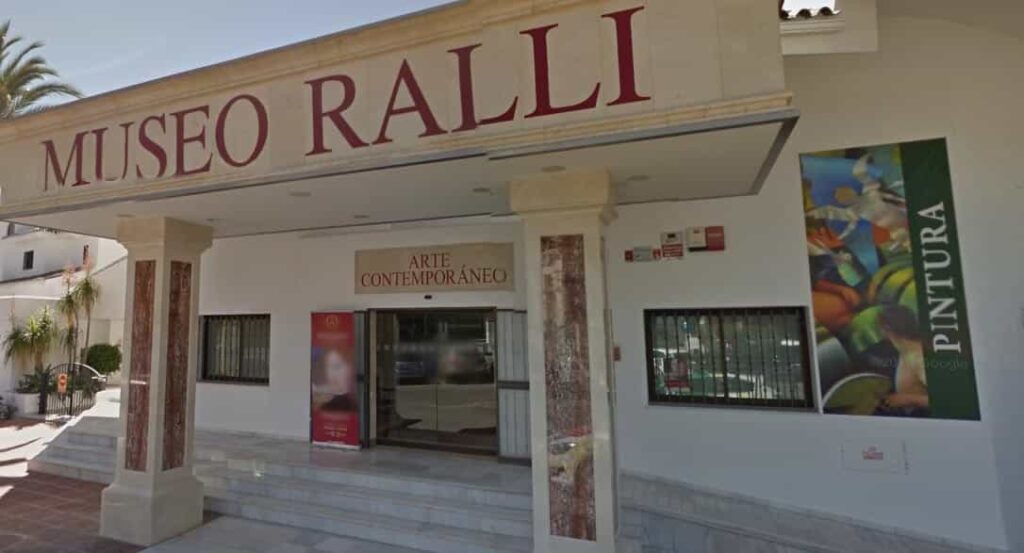
Art lovers, take note: the Ralli Museum is Marbella’s best-kept cultural secret
Located just off the main road to Puerto Banús, this stunning gallery houses an impressive collection of Latin American and European contemporary art—including works by Dalí, Chagall, and Miró—all completely free to visit.
Why It’s Special: Unlike crowded city museums, you can wander these spacious, light-filled rooms in peaceful solitude. Plan 45–60 minutes to fully appreciate both permanent and rotating exhibitions.
4. Parque de las Ranas: The Secret Garden of Marbella
Hidden behind the grand Hotel Don Pepe Gran Meliá, Parque de las Ranas is a lush, shaded oasis that feels like a private garden
Tall eucalyptus trees, fragrant jasmine, and the gentle sound of frogs (hence the name) create a tranquil escape from the summer heat.
Local Secret: This park is the starting point for the 17-kilometre Marbella-Ojén hiking trail. Even if you’re not tackling the full route, a short walk here offers breathtaking coastal views and a true taste of Andalusian nature.
5. Parque de la Constitución: Marbella’s Hidden Amphitheatre
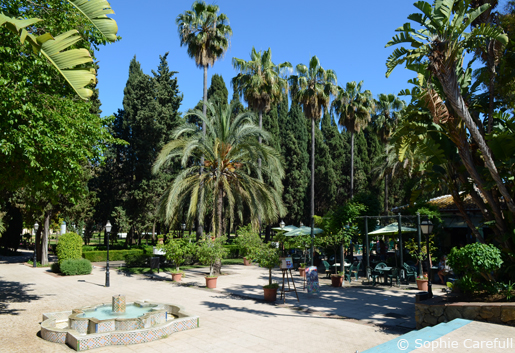
While tourists crowd the Alameda gardens, savvy visitors discover Parque de la Constitución—a beautifully landscaped park featuring a working amphitheatre, star-shaped tiled fountains, and an observatory
The park’s global vegetation collection includes palms from the Canary Islands, cypresses from Italy, and orange trees native to Andalusia.
Pro Tip: Check the local events calendar. In summer, this amphitheatre hosts free concerts and cultural performances under the stars—an unforgettable Marbella experience.
6. Villa Romana de Río Verde: Ancient History by the Sea
Just minutes from Puerto Banús lies a fragment of Marbella’s Roman past: Villa Romana de Río Verde
This archaeological site preserves stunning black-and-white mosaic floors, including a rare Medusa motif, from a 2nd-century Roman settlement.
Practical Info: Open Friday–Sunday, 10:30 AM–1:30 PM. Entry is free. Combine your visit with a walk along nearby Playa Río Verde for a perfect morning of history and sea.
7. Ojén: The Mountain Village Escape
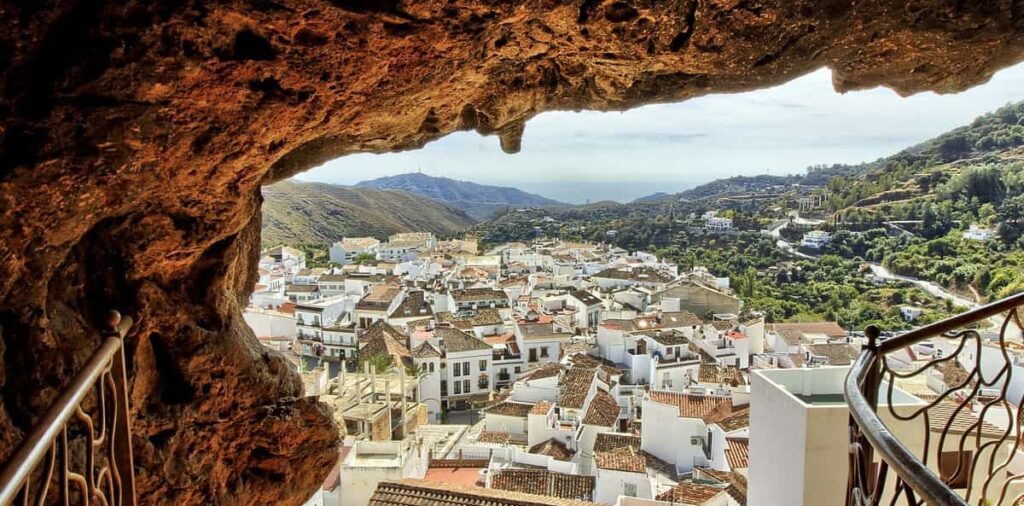
A 10-minute drive inland from Marbella, the whitewashed village of Ojén feels like stepping back in time
With its narrow cobbled streets, flower-draped balconies, and panoramic mountain views, it’s the perfect antidote to coastal crowds.
Must-Do: Hike to the Cave of Ojén for 360-degree views of the coast, then reward yourself with a traditional Andalusian lunch at a family-run taverna. For the adventurous, the challenging La Concha trail offers unforgettable vistas (go with a guide!).
8. Benahavís: The Gastronomic Heart of the Costa del Sol
Often called “the dining room of the Costa del Sol,” Benahavís is a charming mountain village just 15 minutes from Marbella
Beyond its renowned restaurants, the village offers a unique river-walking experience through the Guadalmina gorge—a refreshing adventure in summer.
Insider Recommendation: Book lunch at Amanhavis Restaurant for terrace dining with valley views. Their seasonal menu showcases local ingredients with modern flair.
9. Calle del Peral: Marbella’s Shortest, Sweetest Street
In the heart of Marbella’s Old Town, Calle del Peral holds the title of the city’s shortest street—and possibly its most photogenic
Lined with hand-painted ceramic pots, vibrant bougainvillaea, and traditional Andalusian architecture, it’s a photographer’s dream.
Best Time to Visit: Early morning or late afternoon for soft light and fewer crowds. Don’t miss the tiny artisan shops selling local ceramics and linen.
10. Mirador de Juanar: Marbella’s Best Sunset View
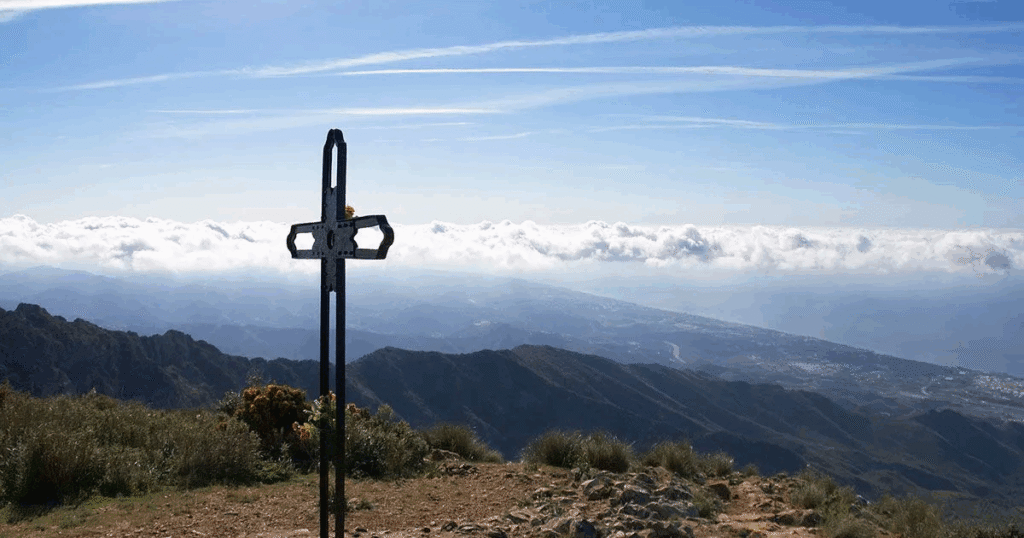
For the ultimate Marbella sunset, skip the beach clubs and head to Mirador de Juanar
A short 20-minute walk from the parking area rewards you with panoramic views stretching from Gibraltar to Estepona. As the sun dips below the horizon, the sky ignites in shades of gold and violet—a moment of pure Andalusian magic.
What to Bring: A light jacket (it gets breezy), a camera, and perhaps a small bottle of local wine to toast the view.
How to Experience These Hidden Gems Responsibly
As Marbella’s popularity grows—with the city ranking among Spain’s most searched destinations in 2025
preserving these special places is crucial. Here’s how to travel mindfully:
- Respect private property: Many hidden spots are near residential areas.
- Leave no trace: Take your rubbish with you, especially at natural sites like Dunas de Artola.
- Support local: Choose family-run businesses over international chains.
- Visit off-peak: Early mornings or weekdays mean fewer crowds and more authentic interactions.
FAQ: Your Hidden Marbella Questions Answered
Q: What’s the best time to visit Marbella’s hidden gems?
A: Spring (April–June) and early autumn (September–October) offer ideal weather, fewer crowds, and lower prices. Many hidden spots are more enjoyable without summer peak-season visitors
Q: Are these hidden gems suitable for families?
A: Absolutely! Dunas de Artola has a wheelchair-friendly boardwalk, Parque de las Ranas offers easy walking paths, and Ojén’s village centre is stroller-friendly. Always check trail difficulty for hikes.
Q: Do I need a car to explore these spots?
A: While some locations like Ojén and Benahavís are easier with a car, many hidden gems in central Marbella (Calle del Peral, Mezquita, Parque de la Constitución) are walkable from the Old Town. Public buses connect major areas affordably
Q: Are these places free to visit?
A: Most are! Museo Ralli, Villa Romana, parks, and viewpoints are free. Some experiences like guided hikes or restaurant visits have costs, but Marbella offers incredible value for authentic experiences.
Q: How can I stay updated on local events at these hidden spots?
A: Follow local sources like Essential Marbella Magazine for event calendars. Many parks and cultural sites post schedules on social media or at entrance points.
Q: Is Marbella safe for solo travellers exploring off-the-beaten-path locations?
A: Yes, Marbella is generally very safe. Stick to well-marked trails, let someone know your plans for hikes, and trust your instincts. Locals are famously welcoming to respectful visitors.
Final Thoughts: Your Marbella, Your Way
Marbella in 2026 is more than a destination—it’s a feeling
It’s the scent of orange blossoms in a hidden courtyard, the sound of waves on a secluded beach, the warmth of a local’s smile in a village café. By seeking out these hidden gems, you’re not just visiting Marbella; you’re connecting with its soul.
So next time you’re planning your Costa del Sol escape, dare to wander off the map. The real Marbella is waiting—and it’s even more beautiful than you imagined.
Found this guide helpful? Save it for your trip, share it with fellow travellers, or drop a comment below with your own Marbella secret. And for more insider tips on luxury living, property trends, and local lifestyle, explore insidemarbella.es—your ultimate guide to the authentic Costa del Sol.
Also look Best Beaches in Marbella: Local’s Guide